Your best lecture is your best salesperson.
Every online programme in India makes the same four claims on the same page. Teaching is the only one a student can check before they pay — and almost nobody is showing it.
 Research
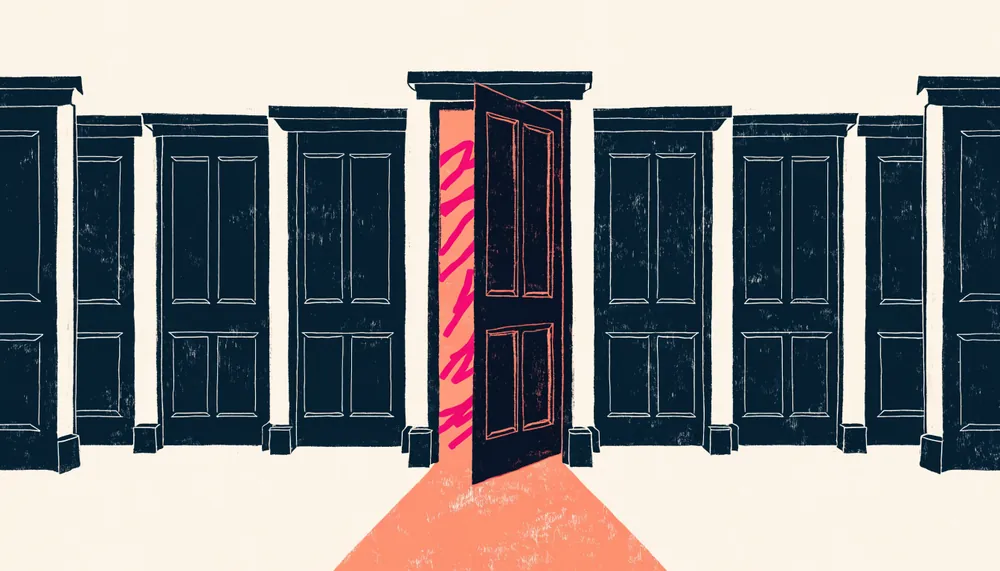
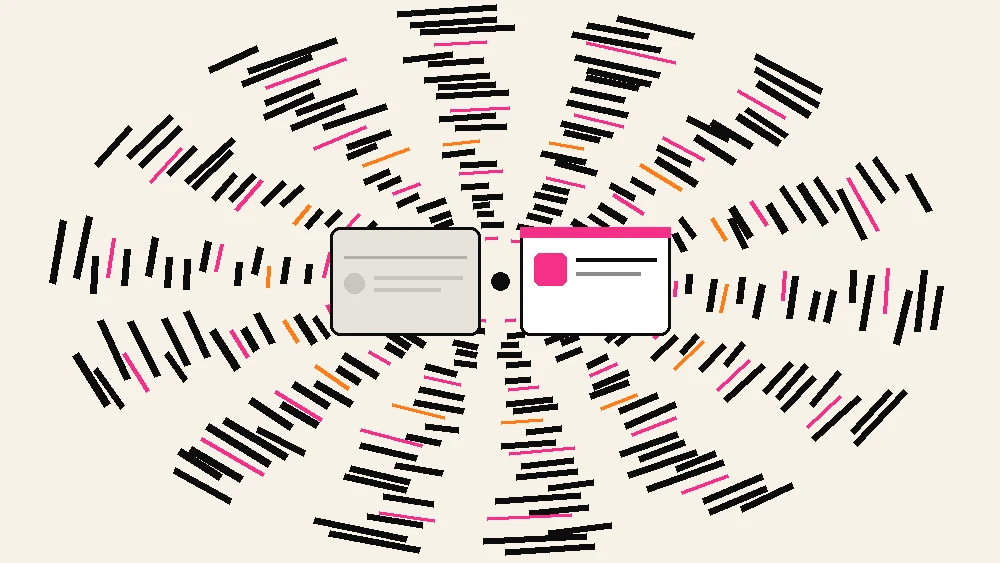
The comparison you did not invite.
A student paying for an online degree has already watched a Coursera course and a YouTube explainer on the same topic. When Module 1 is a webcam recording with room echo, the comparison happens anyway.
 Research
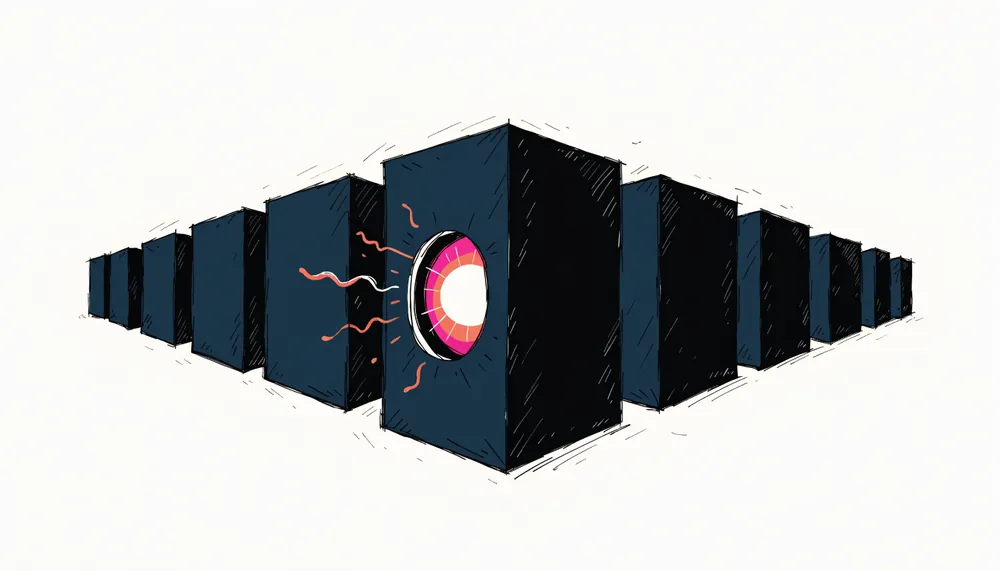
Nobody can see your teaching before they pay.
We searched the public video of India's ten largest online degree providers. Across roughly 800 videos we found teaching content in three places — 39 videos in total.
 Deadlines
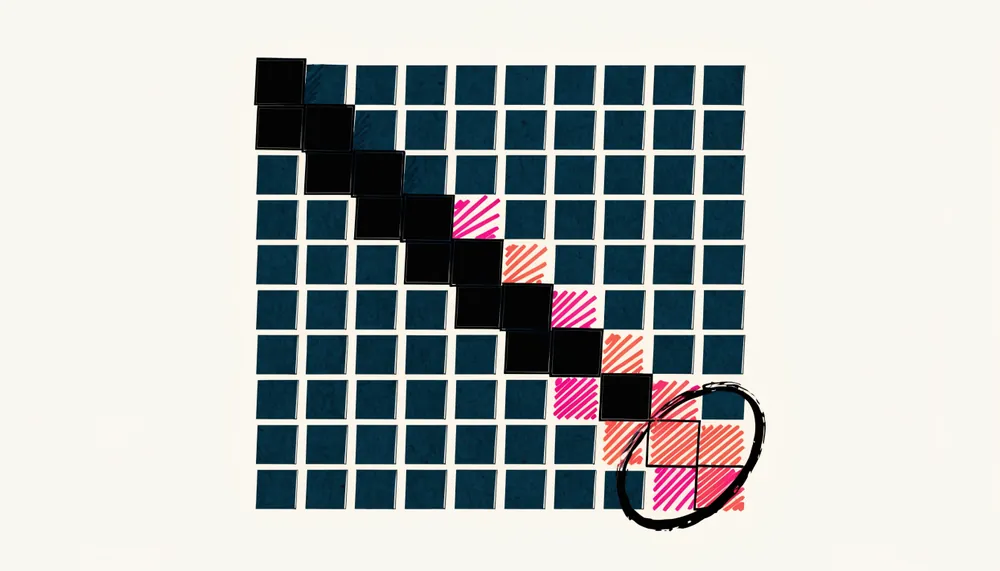
Sixteen weeks to filing: a production countdown.
The e-content has to exist at the point of application, not at launch. The calendar, worked backwards from the DEB window to the week recording starts.
 Deadlines
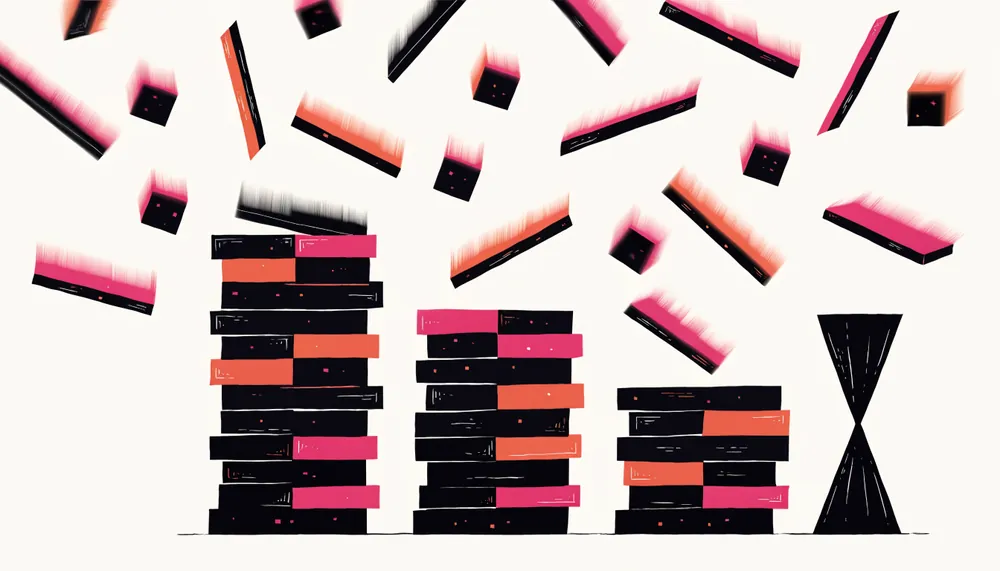
Forty lectures, eight weeks, one term start.
When there is not enough time to do all of it properly, this is the order to fix things in — and what to deliberately leave alone.
 The money
How to run a pilot that proves something.
Most pilots prove only that the vendor can make a video, which was never in doubt. Designing one that answers a real question.
 The money
The one-page business case for your academic council.
The internal document your Director of Online Education needs and will not ask for. Copy it, change the numbers, put your name on it.
 The money
An OPM takes a third of your fee revenue. Production costs half a percent.
Wiley's published share is 30–40% for five to seven years. Against ₹8 lakh of production on a ₹16 crore cohort, the multiple is 60×.
 The money
Funding lecture production from your SWAYAM grant.
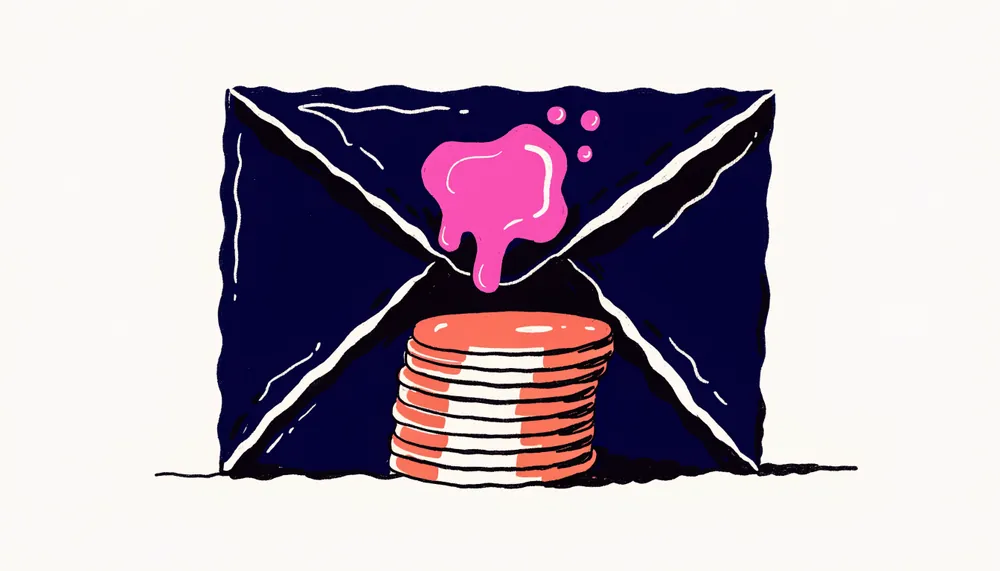
The norms price production at ₹12,500 an hour and Annexure IV expressly permits outsourcing it. Nobody has to create new budget.
 Objections
Seven questions to ask before you sign a video production contract.
The evaluation criteria we would want used on us. Some we answer well. One we answer badly, and it is named.
 The money
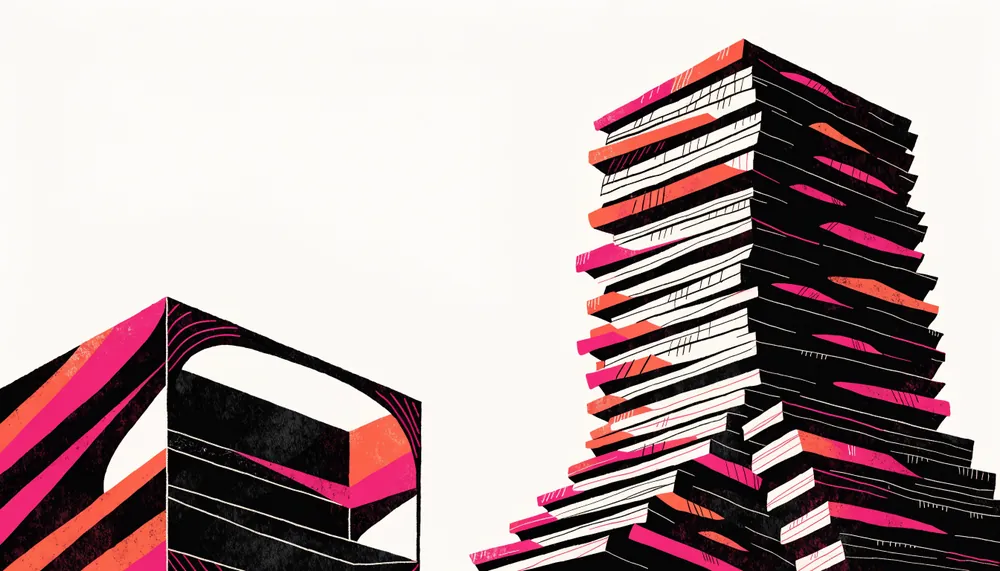
Before you approve the studio, price the archive.
A university digital studio tenders at around a crore. The same money produces 4,950 finished hours from footage you already own.
 The money
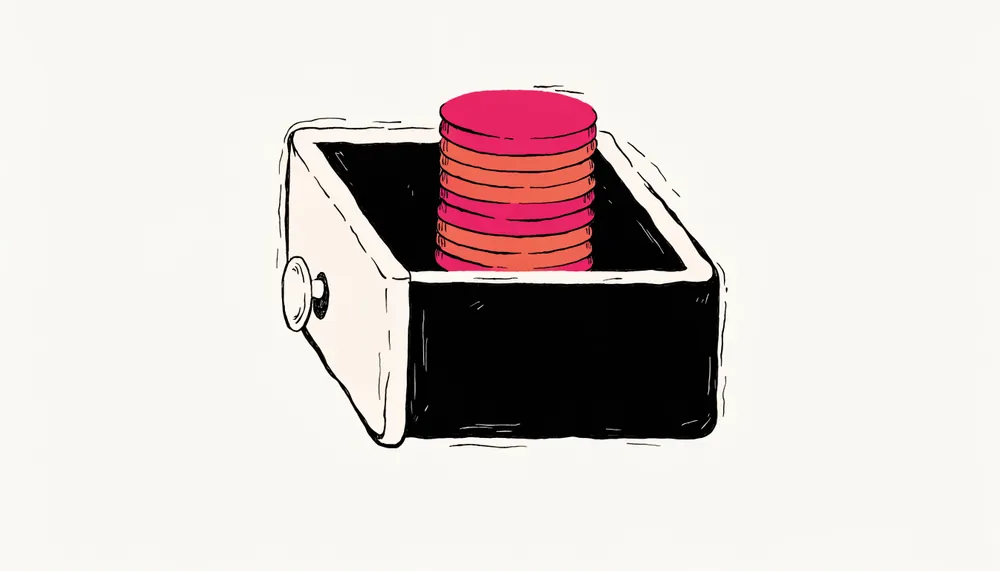
You already have the budget. It's in your captioning line.
Annexure VII requires a transcript alongside every video, so you are already paying. The question is whether that money also buys picture, sound and branding.
 The money
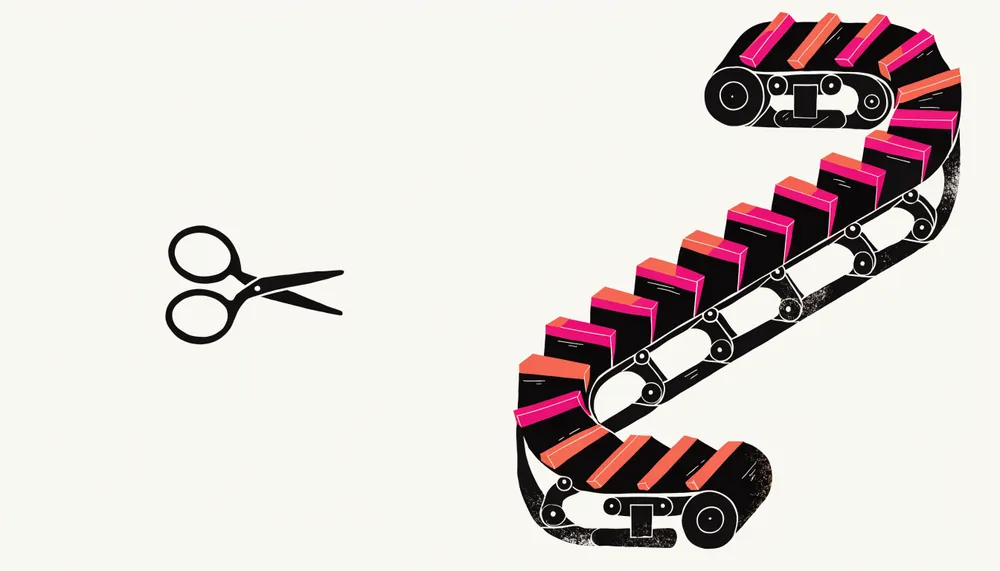
We costed a freelance editor against the pipeline, for one course.
For twenty hours, a good freelancer is genuinely competitive. The working, including the part that does not flatter us.
 Objections
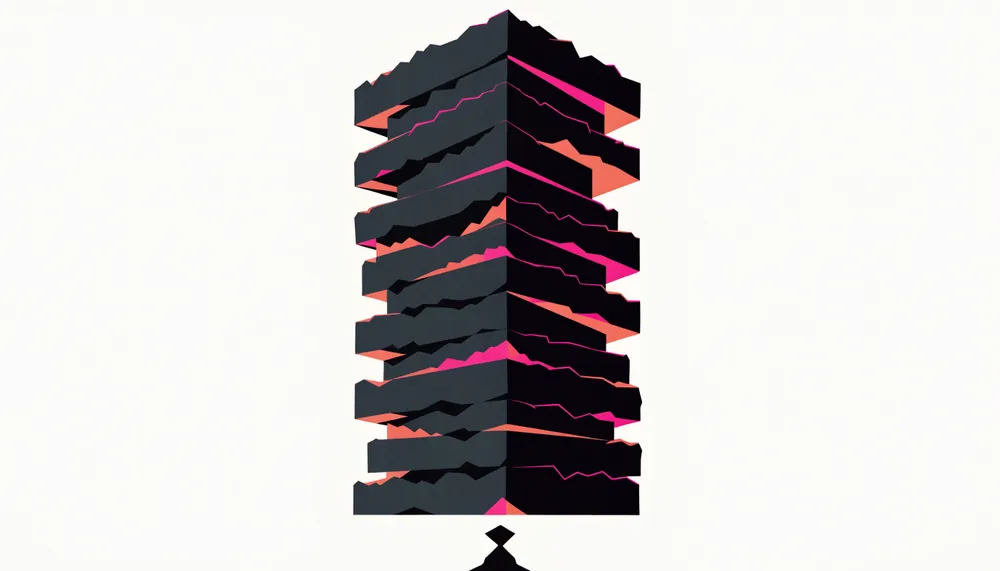
“Our AV team already handles this.”
They almost certainly do, for a handful of courses. Four hundred finished hours a term needs four full-time editors doing nothing else.
 Objections
Your professor keeps their face, their voice and their name.
Most AI video tools sold to education replace the lecturer with an avatar. We do the opposite — and it decides whether your faculty cooperate at all.
 Objections
What we change in your lecture, and what we never touch.
A complete list, written to be forwarded to a registrar without a covering note. What is altered, who owns it, and who has to say yes.
 How it works
Most lectures don't need forty animations.
Animated B-roll cuts away to an illustration for a few seconds, then cuts back. The hard part is not drawing it. The hard part is knowing when not to.
 An offer
Send us your worst recording.
Not the flagship lecture from the good room. The one with the fan hum, the washed-out slide and the first ninety seconds of somebody finding the clicker.
 How it works
The two passes nobody asks for.
Universities ask us for animation, captions and branding. In two years nobody has asked for cleanup — the pass that decides whether any of the rest works.
 Research
Most of your students never reach the end of the video.
What 6.9 million viewing sessions say about why they leave, what the evidence says actually fixes it, and the arithmetic on whether fixing it pays for itself.